Myrrh
Warm, spicy, woody.
This resin was treasured by ancient royalty and is still today an essential friend and base note.
About the trees
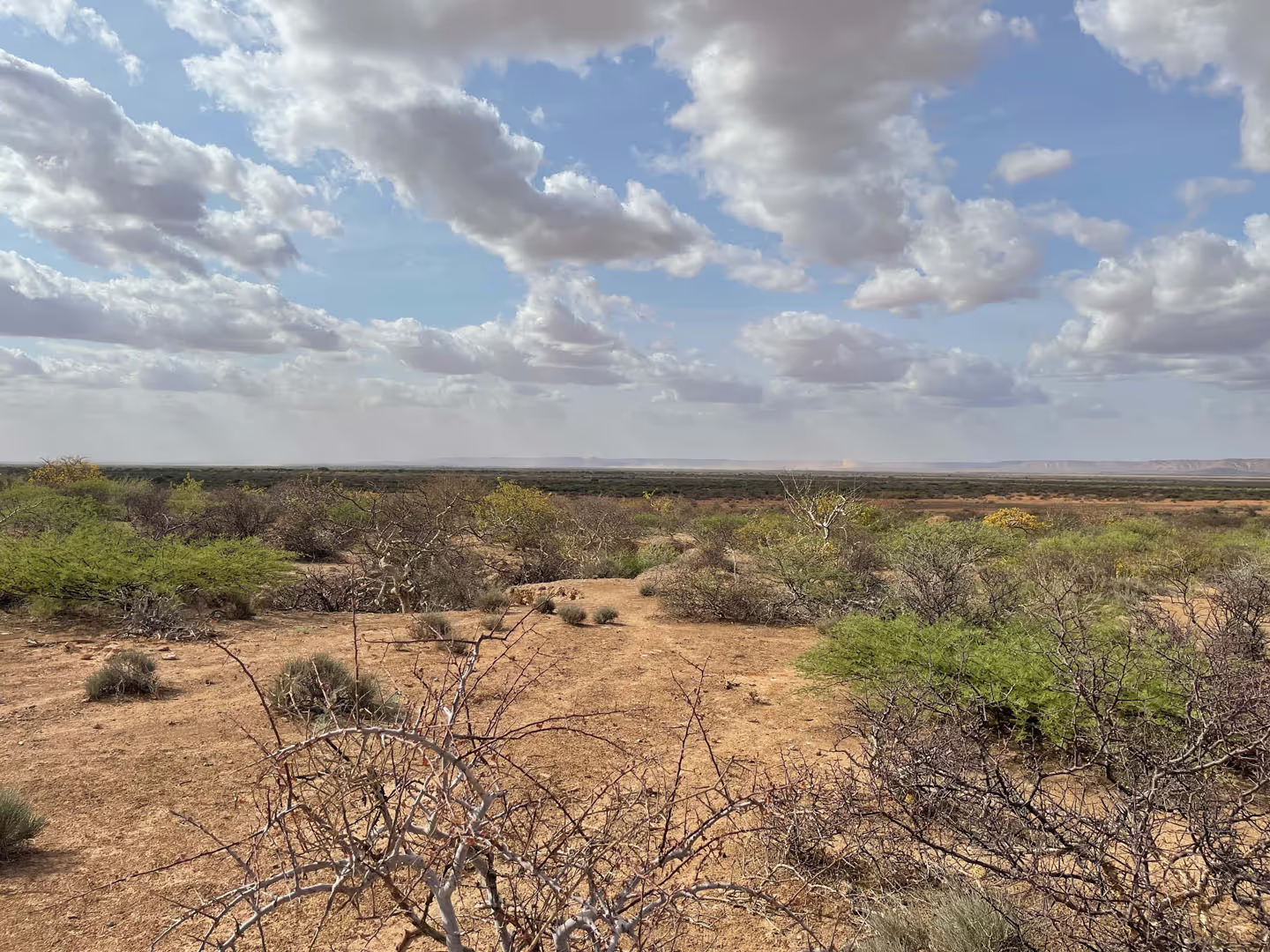
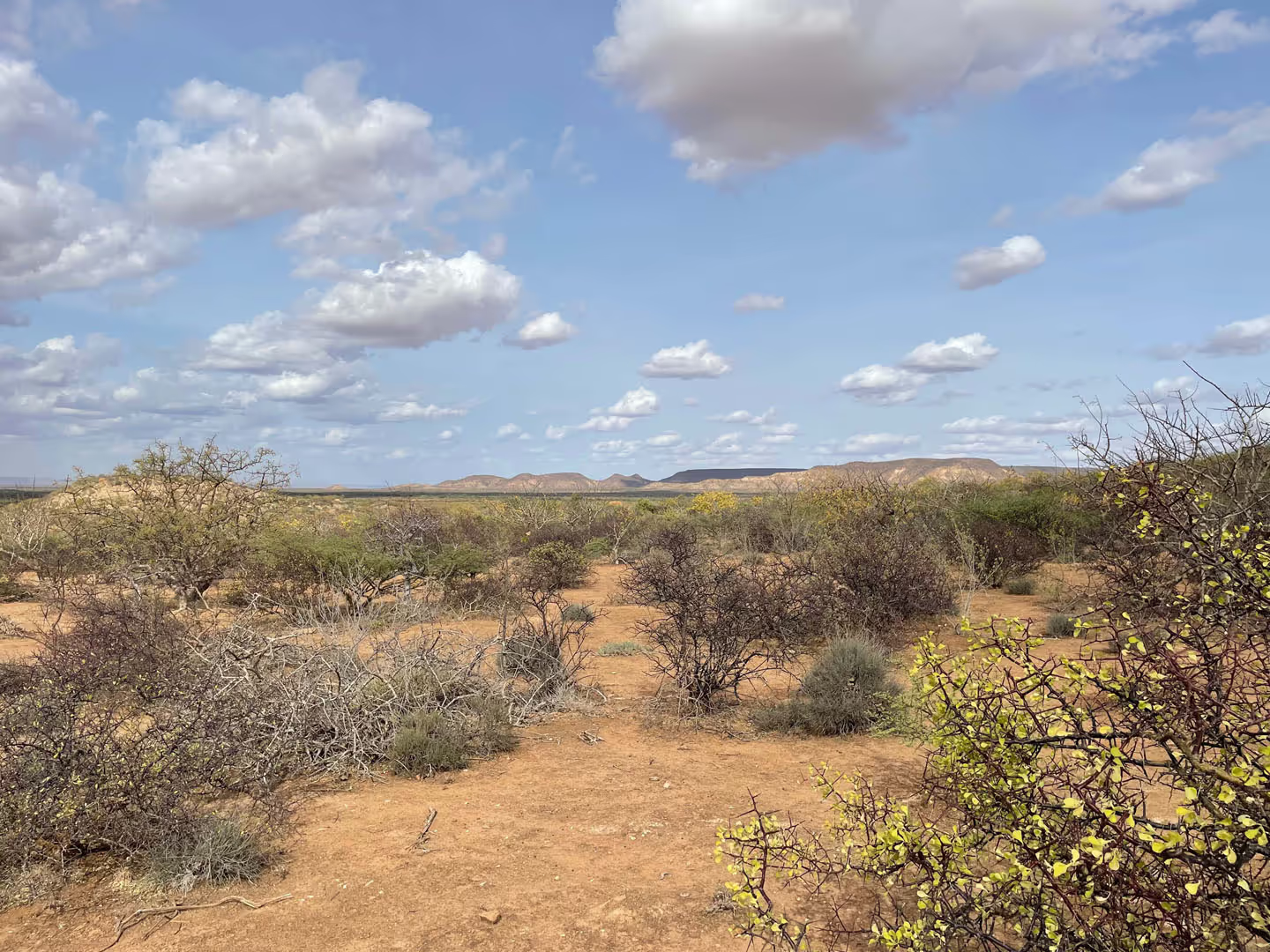
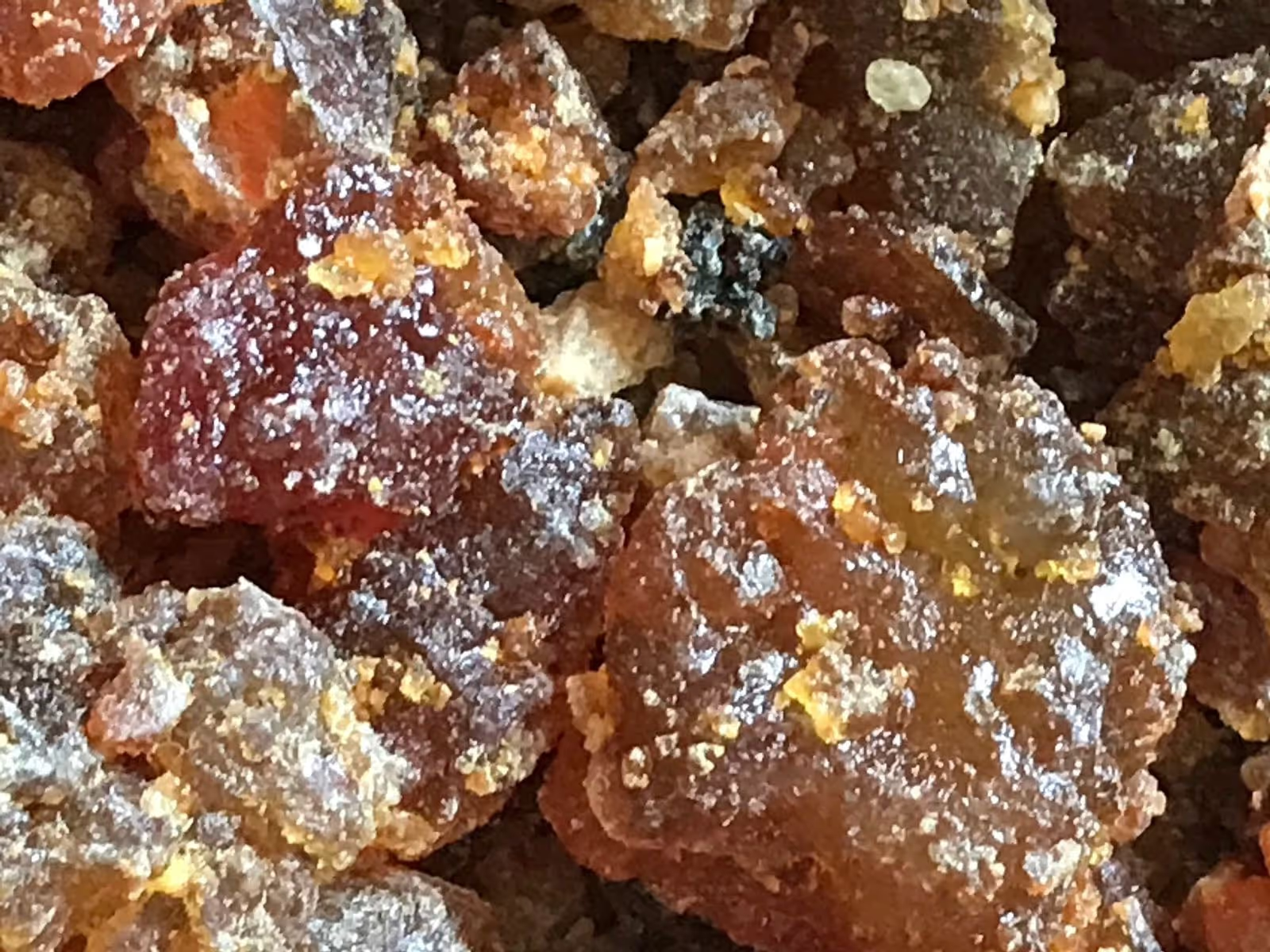
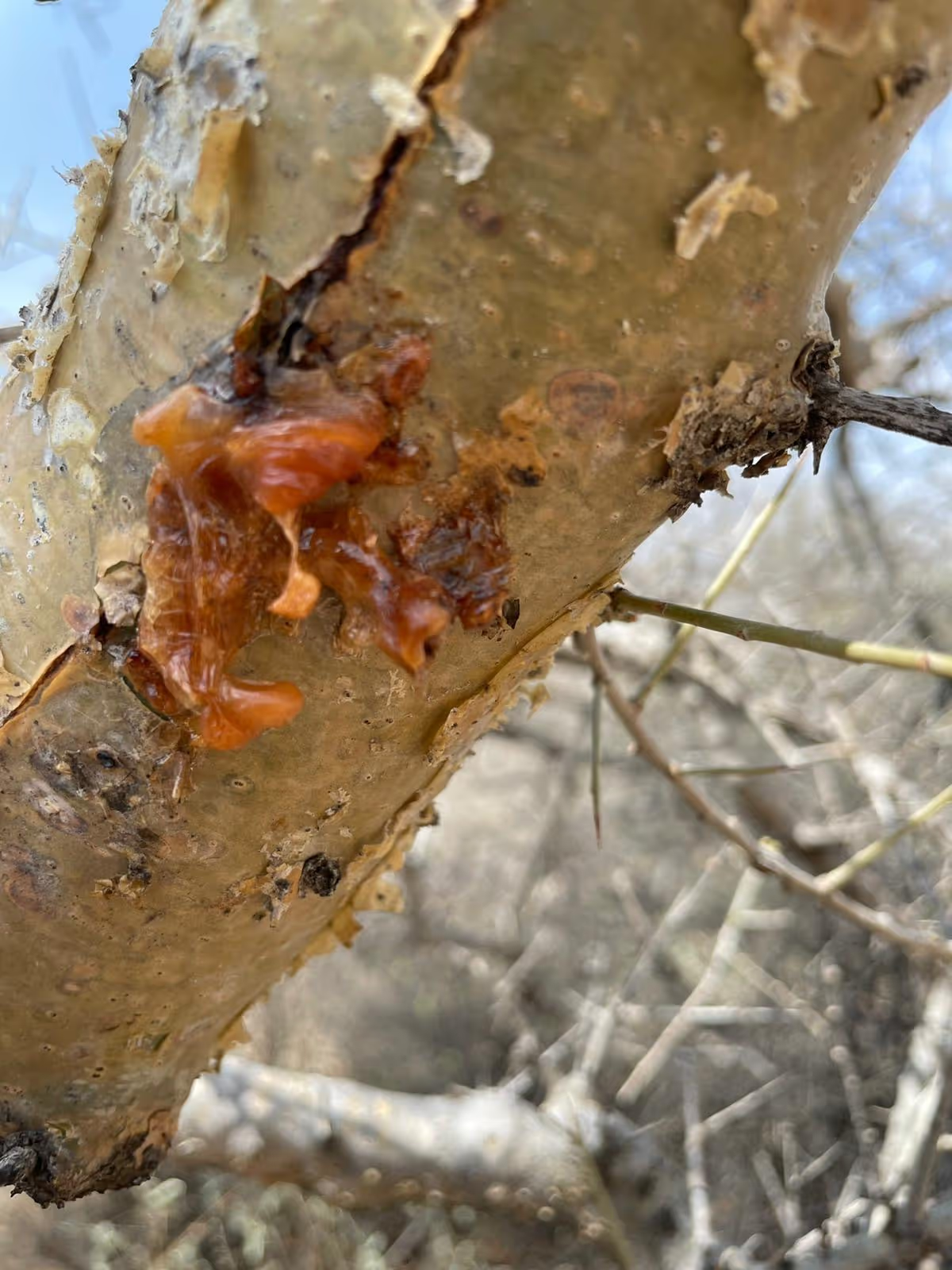
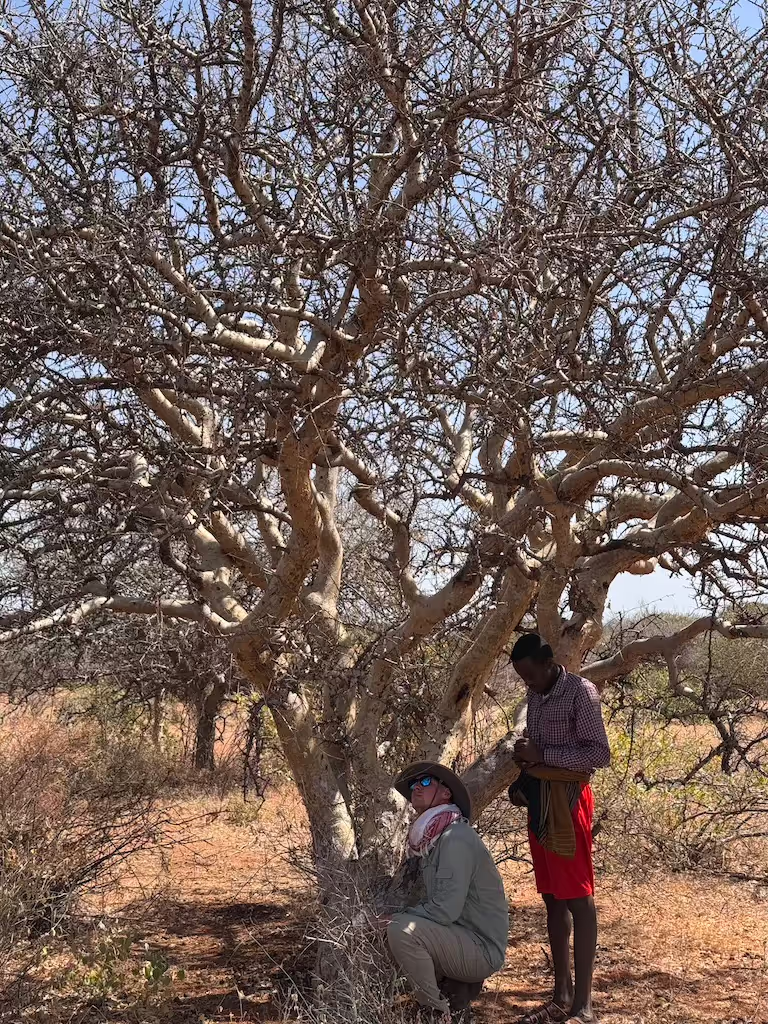
True myrrh is produced by only one species: Commiphora myrrha. This species is small and hardy, rarely growing above 4-5 meters in height, covered in thorns and specialized to grow in the hot and arid plains of East Africa and South Arabia. Called “Dhidin” in Somali or “Murr” in Arabic, the trees produce a reddish resin (“Malmal” in Somali) that is characteristically bitter to taste.
The essential oil, dominated by furanoeudesma-1,3-diene, curzerene, and lindestrene, is characteristically warm and spicy, a deep, full-bodied scent that fills the nose with just a hint of sweetness.
Harvesting and production
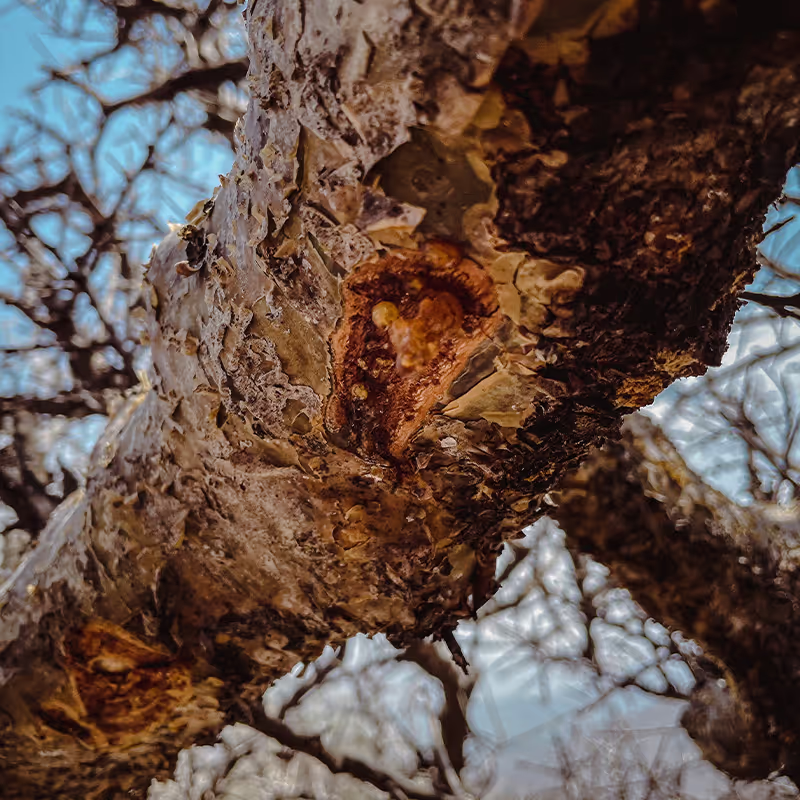
In Ethiopia, the myrrh resin is not tapped, but instead is collected only from natural exudations. This is an extremely sustainable system that does not involve wounding the tree in any way. The harvesters are often nomadic, herding goats and camels through the landscape and collecting the resin opportunistically where it has naturally exuded from the plants. Myrrh harvesting is often not the main livelihood for these collectors, but it is an important and climate-resilient source of income.
Myrrh trees grow in communal grazing land, and can be harvested by anyone who is local to that area. Harvesters–both men and women–often team up in groups to go collect the resins and then sell them through local cooperatives.

Sustainability and traceability
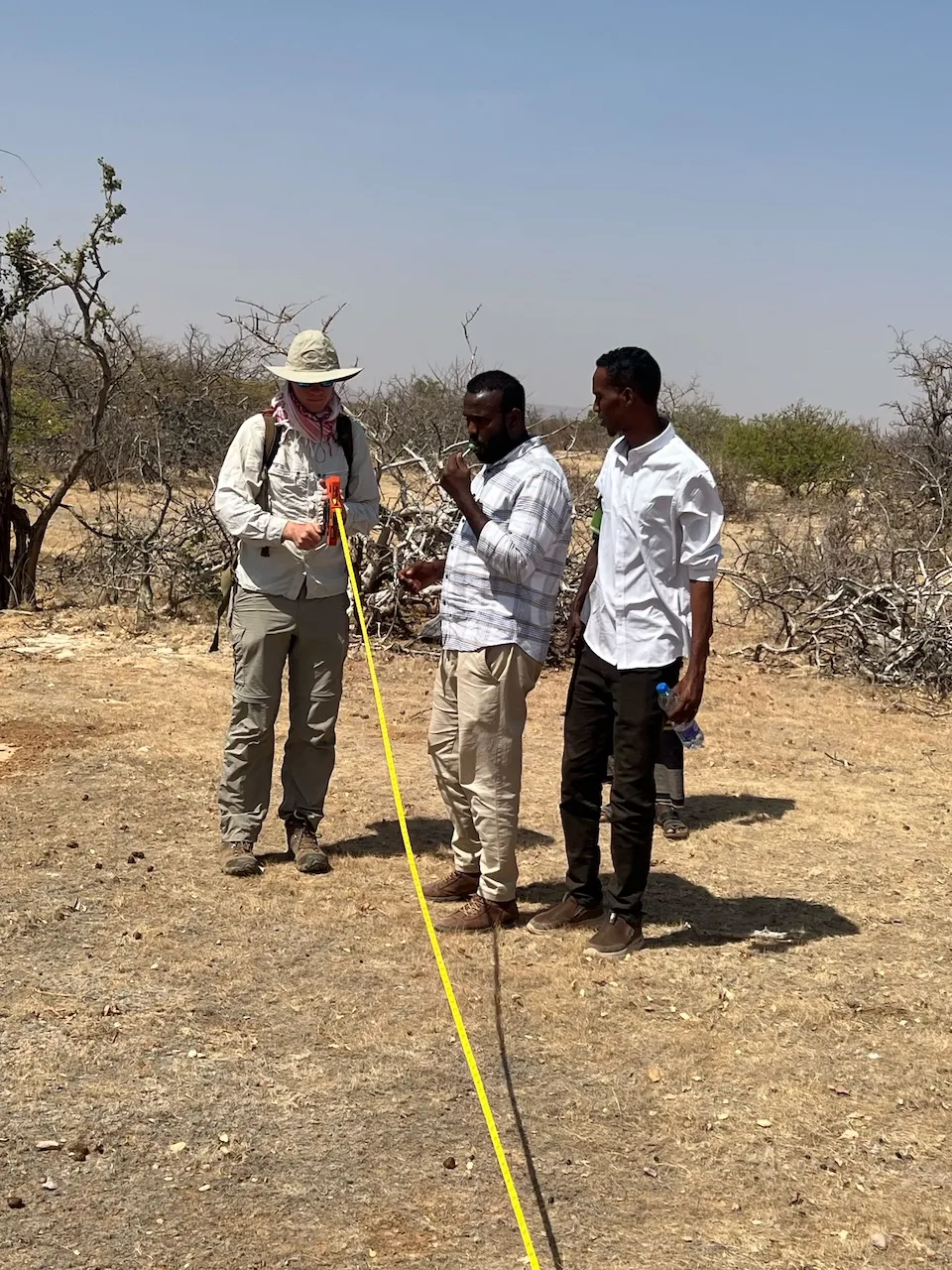
We partner directly with harvesters and harvesting communities in Ethiopia to ensure full traceability, ethical purchasing practices, and sustainable ecosystem management. Using digital apps, GIS, and digital payments, we track and document the supply chain from tree to finished product, ensuring full visibility on the production. We carry out field audits and conduct an active research program in partnership with universities, NGOs, and government agencies to support conservation of myrrh trees.
Additional Species
Interested in other types of myrrh? We also work with some of the rarer species, such as Commiphora wildii, C. erythraea, and C. guidottii, on a bespoke basis. Get in touch if you’re interested in sourcing these materials!